01
A Holy Place and a Grave
Kibeho is holy ground for pilgrims and a place where many families lost loved ones in 1994. We ask visitors to move quietly, to listen, and to remember that the memorial is a resting place for those who died.

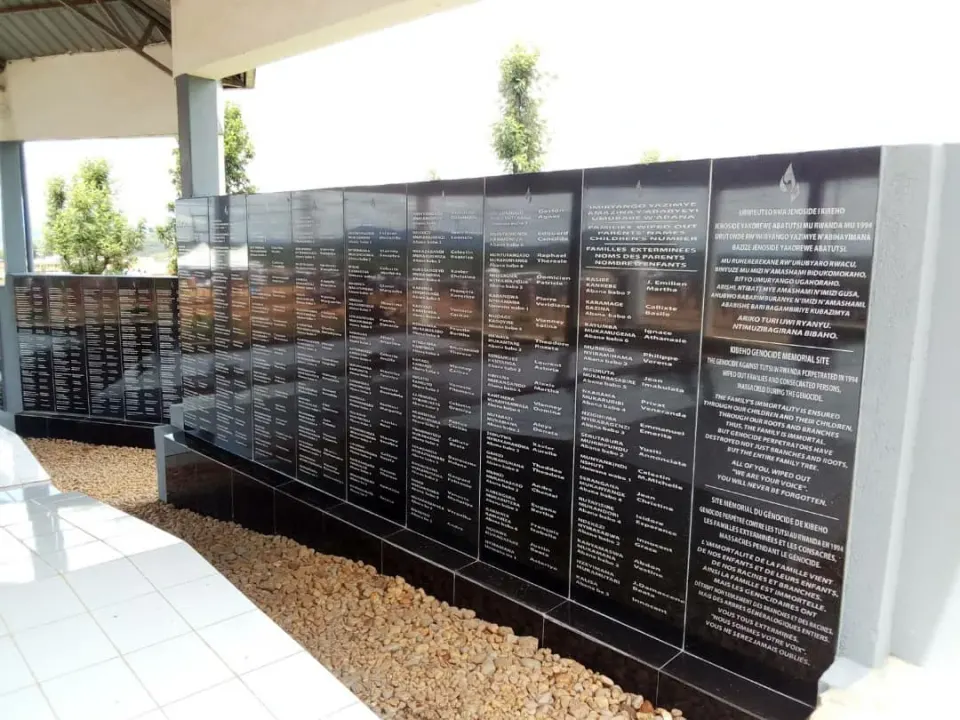
Kibeho is known for its sanctuary, but it is also a place of mourning. In 1994, thousands of Tutsi who had sought safety at the parish church were killed here. We are guides from Kibeho, and we accompany visitors to the memorial quietly, to remember them and to understand what happened.
Most visitors come to Kibeho for the sanctuary. Many do not know, until they arrive, how much this hill suffered in 1994. The memorial is where the victims are buried and remembered. We guide these visits slowly and plainly, and we do not add drama to a story that needs none.
“We do not bring people here to look at suffering. We bring them to remember the people, and to understand how it happened.”
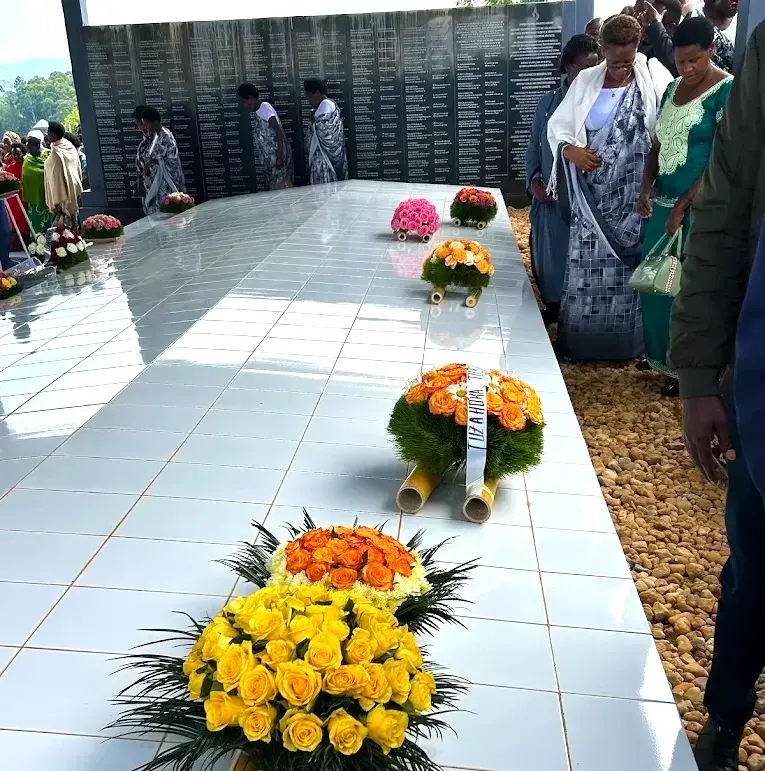
To understand what happened in Kibeho, you need the years before 1994, the weeks of the genocide itself, and what came after. Our guides cover all three.
Kibeho is holy ground for pilgrims and a place where many families lost loved ones in 1994. We ask visitors to move quietly, to listen, and to remember that the memorial is a resting place for those who died.
The memorial holds the remains of people from Kibeho and the hills around it. Families still come to mourn them, and every visit starts with that in mind.
The genocide did not start in April 1994. Your guide explains how years of discrimination and propaganda against Tutsi prepared the ground for it.
Numbers are hard to hold on to. Names, families and personal stories are not. Where survivors choose to speak, their accounts stay with visitors long after they leave.
Rwanda chose to remember openly. Every year from 7 April, the country observes Kwibuka, a period of national remembrance. Visitors see how Kibeho lives today, with survivors and neighbours rebuilding side by side, and why remembrance matters here every April.

When survivors choose to share their accounts, we ask guests to listen quietly, not to interrupt, and to treat what they hear with care.
Meeting a survivor is never guaranteed, and never arranged as a performance. When it happens, it is because that person chose to speak, and we protect their wellbeing first.
Kibeho is a place of prayer, a place of memory, and a town where people live and work. A good visit gives some time to each.
Kibeho is known for the Marian apparitions reported from 1981, and pilgrims come from Rwanda and abroad to pray at the sanctuary.
Explore Kibeho PilgrimagesA guided visit to the memorial, with the history of 1994 in Kibeho explained by people from here.
Plan a Memorial VisitMarkets, schools, farms and families: daily life in a town that has rebuilt itself. Ask us and we can arrange time in the community.
Whether you come alone, with family or with a school group, a little preparation makes the day easier for everyone.
Tell us how many of you are coming, when, and what you most want to understand. We plan the day around that.
A guide from Kibeho meets you, explains what happened at each place and answers your questions honestly.
Time at the memorial itself, at your own pace. Some people need longer than they expected, and that is fine.
We leave quiet time after the visit. Many groups end at the sanctuary, or simply sit together before moving on.
A few simple things keep the memorial a place of respect for the families who mourn here.
Come ready to listen. Some of what you hear may not match what you read before you came.
Speak quietly, dress modestly and follow what the memorial staff ask. This is a burial place.
Do not take photos or video unless you are told it is allowed, and never photograph people without asking.
Ask questions with sensitivity. Our guides will answer what they can, and some topics may be too painful to raise with survivors.
Some visitors come only for the memorial. Others combine it with a pilgrimage or a wider trip in the south.
A visit centred on the memorial and the history of 1994 in Kibeho, suited to students, researchers and anyone who wants to understand it properly.
Combine time at the Marian Sanctuary with a visit to the memorial and the wider Kibeho community.
Add Kibeho to a route through the south, with Nyanza, Huye and Nyungwe. See our Rwanda tours.
Visits for school groups and families, with time to talk together afterwards and a pace that suits younger visitors.
Books give you the facts. A guide from Kibeho can show you where things happened and explain what they mean to the people who live here. Our team lives in Kibeho and knows how to speak about 1994 with care.
We will not turn the genocide into a tourist product. We tell the history honestly, answer your questions as well as we can, and give you time to take it in. Meet our team.
The questions visitors ask us most before a memorial visit.
During the Genocide against the Tutsi, which began in April 1994, many Tutsi from Kibeho and the surrounding hills gathered at the parish church hoping to be safe. Thousands of them were killed there. The memorial keeps their remains and their memory, and local families still mourn them.
To remember the people who were killed, and to understand how a genocide was planned and carried out. Rwandans ask visitors to learn this history so it is not repeated. Most people leave with more questions than answers, and that is normal.
Yes. Visitors from abroad are welcome. A local guide can explain what happened here and answer questions in English or French, and help you understand what you are seeing.
Yes, and many groups choose to. The sanctuary and the memorial are both part of Kibeho's story. We usually plan the memorial visit on a separate part of the day, with time afterwards to rest and reflect.
Speak quietly, follow the guidance of the memorial staff, and do not take photos unless you are told it is allowed. Dress modestly. If you feel overwhelmed, it is fine to step outside for a while.
Tell us your dates, how many of you are coming and what you would like to understand. We will reply with a simple, honest plan.